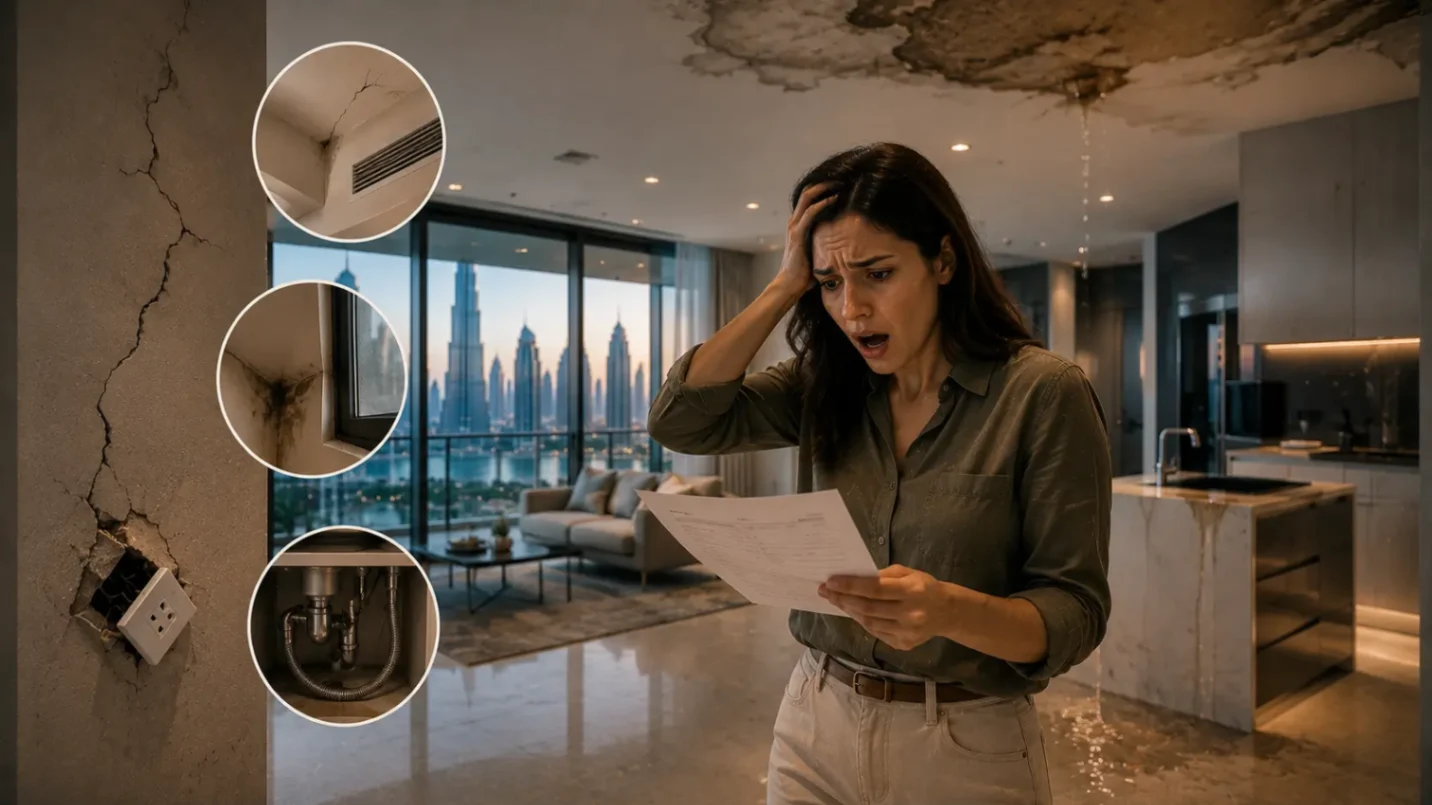
Hidden Costs of Buying an Apartment in Dubai Nobody Tells You



Buying an apartment in Dubai looks simple at first. You see the price, arrange payment, and expect returns. But the price you see is not the full cost. Many buyers only realize this after the deal is done.
This is where mistakes happen. Hidden costs reduce your profit, affect your budget, and sometimes turn a good deal into a weak one. This blog explains the real costs most buyers miss. Not just the obvious fees, but the ones that quietly affect your return over time.
The 4% Transfer Fee You Cannot Avoid
Every property purchase in Dubai includes a mandatory fee paid to the Dubai Land Department. This fee is usually 4% of the property value. On top of that, there are small admin charges during the transfer process.
Many buyers know about this fee. But they underestimate how much it adds to the total cost, especially on higher-value properties.
Registration and Trustee Fees
Along with the transfer fee, you also pay registration and trustee office fees.
These charges cover the legal process of transferring ownership. While they may look small compared to the property price, they still add up.
If you ignore these during planning, your upfront cost will be higher than expected.
Service Charges That Keep Coming Every Year
This is one of the biggest hidden costs, and it doesn’t stop after purchase. Service charges are yearly fees paid to maintain the building. They cover cleaning, security, maintenance, and shared facilities.
In areas like Downtown Dubai or Dubai Marina, these charges can be high because of premium amenities.
The mistake buyers make is simple. They focus on purchase price but ignore long-term costs. Over time, service charges can reduce your rental income more than expected.
NOC and Clearance Costs
Before the property transfer, the developer must issue a No Objection Certificate (NOC). This confirms that there are no pending dues on the unit.
The NOC fee can range from a few hundred to several thousand dirhams, depending on the developer.
You may also need to clear any outstanding service charges or utility bills before the transfer is approved. These costs are often missed during planning but must be settled to complete the deal.
Mortgage Costs Most Buyers Overlook
If you are buying with a loan, your costs go beyond just the down payment.
Banks charge:
Processing fees
Property valuation fees
Mortgage registration fees
These are one-time costs, but they still affect your total investment. Many buyers only calculate monthly payments and forget these upfront expenses.
Agency Commission
If you are working with a broker, you will usually pay a commission. This is often around 2% of the property value.
Buyers rarely question this because it is standard in the market. But it is still a significant cost, especially on higher-priced units.
Maintenance and Repair Costs
Owning property is not passive. Things break, systems need fixing, and units need upkeep. Even in new buildings, small repairs come up. Over time, these costs add up.
This is more noticeable if your unit stays vacant for a period. You still pay for maintenance without earning rent.
Vacancy Periods That Reduce Income
This is not a fee, but it is a real cost.
When your apartment is empty, you lose rental income while still paying service charges and maintenance costs. Studios and lower-end units often face higher tenant turnover, which increases vacancy risk.
Many investors ignore this when calculating returns. That leads to unrealistic expectations.
Furnishing Costs for Rental Units
If you plan to rent your apartment, especially for short-term stays, you may need to furnish it. Furniture, appliances, and basic setup can cost a significant amount depending on the quality you choose.
This is rarely included in initial investment calculations, but it directly affects how fast you can rent the unit.
Utility Connection and Setup Costs
Before your apartment is ready to use or rent, utilities must be connected. This includes electricity, water, and sometimes cooling services.
These setup costs are not huge individually, but together they add to your initial expenses.
The Cost of Overpaying
This is the most ignored cost—and the most dangerous one.
If you buy at the wrong price, everything else becomes harder:
Lower rental yield
Slower resale
Reduced profit
Many buyers rush into deals without comparing market values. They focus on offers, not actual worth. This mistake cannot be fixed later. You carry it for the entire investment period.
Why Most Buyers Miss These Costs
Most property listings show only the price. They don’t show the full cost of ownership. Buyers also focus on “getting the deal done” instead of understanding the full picture.
This leads to:
Underestimated budgets
Lower than expected returns
Frustration after purchase
The problem is not the market. It is the lack of clear planning.
Final Thoughts
Buying an apartment in Dubai is not just about the price you see. The real cost includes fees, ongoing expenses, and factors that affect your income over time. Transfer fees, service charges, and maintenance are expected. But vacancy, furnishing, and overpaying are where most buyers lose money.
At Propertyseller, we focus on clarity and trust at every step. Your data stays secure. You get real, accurate details with no hidden gaps. Every listing is verified, so you avoid fake or duplicate properties.
This helps you see the full picture before you invest, so you don’t just buy a property—you make a smart decision.
FAQs
1. What is the biggest hidden cost when buying property in Dubai?
Service charges and long-term maintenance costs often impact returns the most.
2. Do I have to pay the 4% transfer fee?
Yes. It is mandatory for all property transactions.
3. Are service charges paid monthly or yearly?
They are usually calculated yearly but may be paid in installments.
4. What are the key fees when buying property in the UAE?
The main costs include the transfer fee, registration fees, agent commission, and mortgage fees if you use bank financing.
5. Do hidden costs affect rental returns?
Yes. They reduce your net income if not planned properly.