Things I Wish I Knew Before Buying Property in Dubai


Buying an Apartment in Dubai or a property looks simple from the outside. Listings are everywhere, payment plans appear flexible, and the market seems transparent. But once you go through it, you realize something important—what matters is not just the property you choose, but how well you understand the process behind it. There are decisions you only learn to question after you’ve already made them.
At PropertySeller, we’ve seen a pattern. Most buyers don’t regret buying property—they regret how they approached it. The decisions that seem small at the beginning tend to have the biggest impact later.
This is a collection of things many buyers only understand after going through the process. If you’re planning to buy, these are the areas that deserve more attention than they usually get.
Budget Isn’t Just About What You Can Afford
The first assumption buyers make is that if they can afford the property price, they are ready to buy. That’s only partially true.
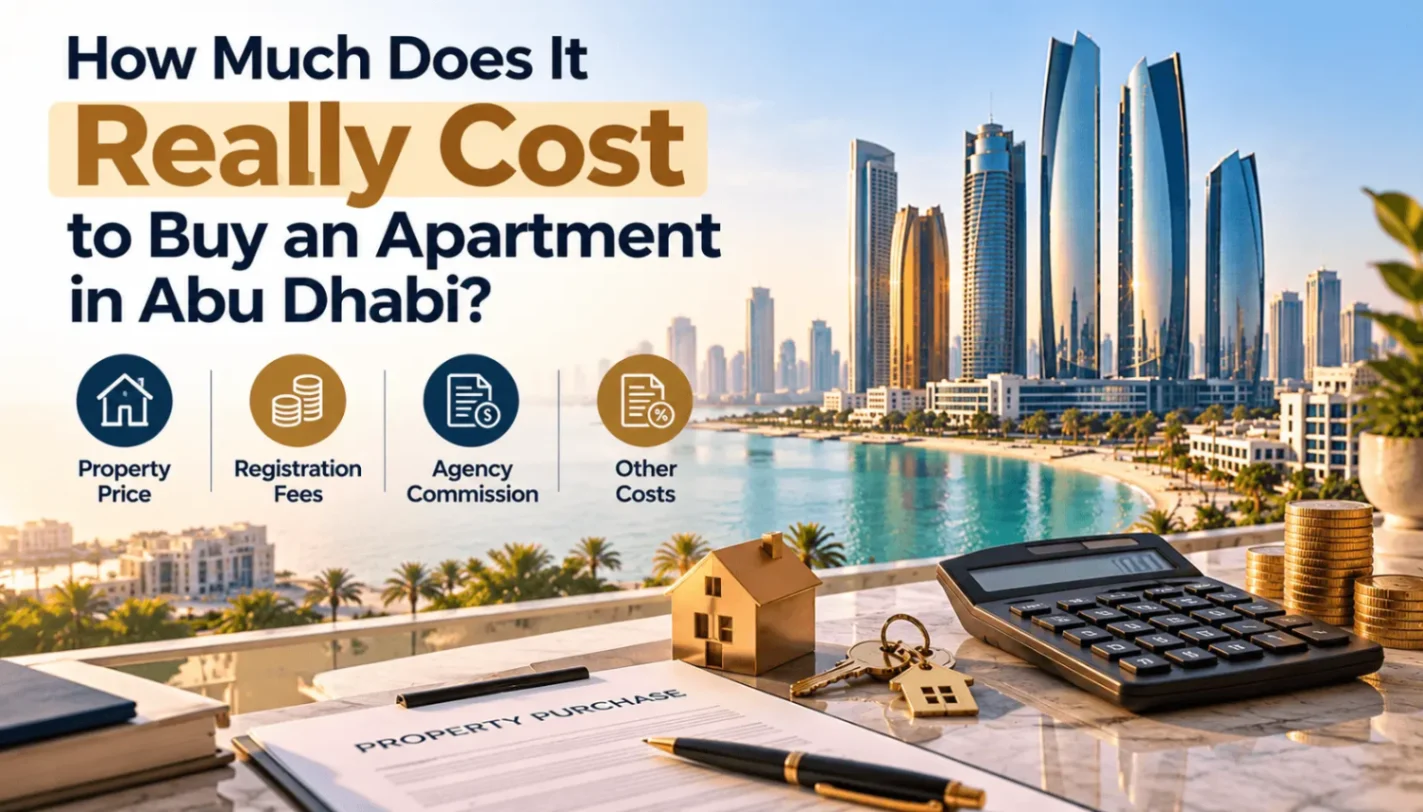
What’s often missed is the full cost structure:
Down payment
Registration and transfer fees
Mortgage-related costs
Agency fees
Service charges and maintenance
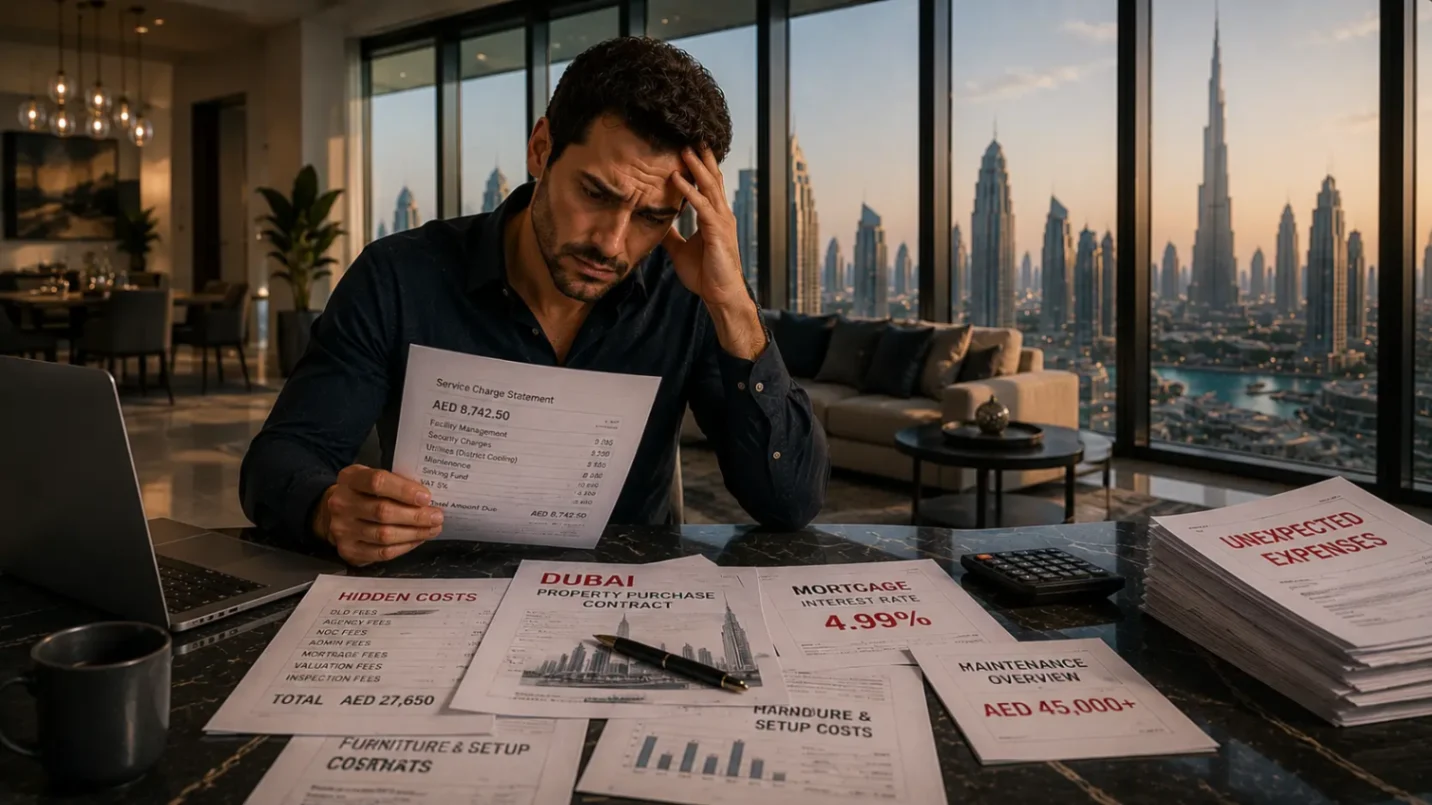
These costs can significantly change your financial position after purchase. The realization many buyers have later is simple: the purchase price is just the entry point, not the total commitment.
Off-Plan Looks Attractive Until Timing Becomes Real
Off-plan properties are often marketed with flexible payment plans and lower entry prices. That makes them appealing. What’s not immediately obvious is how the timeline affects you.
Construction delays, shifting handover dates, and long payment schedules require patience and financial discipline. Even when projects stay on track, your capital is tied up for a period without immediate return.
Many buyers understand the advantage of off-plan at the start, but underestimate the commitment required to wait through the entire cycle.
Location Isn’t Just About Popular Areas
Before buying, many people focus on well-known locations. The assumption is that popularity equals value. In reality, the performance of a property depends more on:
Accessibility
Infrastructure around the community
Tenant demand within the exact building
Future development plans in the surrounding area
Two properties in the same district can behave very differently in terms of rental demand and resale value. What matters is not just the name of the area, but how the specific property fits within its surroundings.
Developer Reputation Matters More Than Marketing
Marketing materials can make any project look appealing. But the real difference lies in execution. A developer’s track record influences:
Construction quality
Delivery timelines
Finishing standards
Long-term maintenance of the project
Some buyers realize too late that delays or inconsistencies could have been anticipated by reviewing the developer’s history. Trust is not built on presentation—it is built on past delivery.
Payment Plans Need to Match Your Cash Flow
One of the biggest mistakes buyers make is focusing only on the total price while ignoring how payments are distributed.
A property might seem affordable, but if the installment schedule doesn’t align with your income flow, it creates pressure over time.
Understanding:
When payments are due
How frequently installments occur
Whether payments are tied to construction milestones
helps avoid situations where the structure becomes difficult to sustain. Affordability is not just about total cost—it’s about timing.
Service Charges Can Impact Long-Term Returns
Many buyers overlook service charges when evaluating a property. These charges vary depending on the building and community and cover maintenance of common areas, facilities, and overall upkeep.
Over time, they influence:
Net rental income
Resale attractiveness
Overall cost of ownership
Two similar properties can produce very different returns depending on recurring charges. Ignoring this factor leads to incomplete financial planning.
Resale Value Should Be Considered From Day One
Most buyers think about resale only when they decide to sell. By that time, the options are limited.
Resale potential depends on:
Layout efficiency
Demand in the building
Pricing compared to similar units
Maintenance and condition over time
A property that is easy to rent usually attracts more buyers later as well. Thinking about exit strategy at the entry stage leads to more balanced decisions.
Not All Buildings Age the Same Way
Two buildings completed in the same year can feel completely different after a few years. Factors like maintenance quality, occupancy levels, and community management influence how a building ages.
Some properties maintain their appeal over time, while others start losing value due to neglect or poor upkeep. This is something that becomes visible only after observing how a community evolves.
The Buying Process Has More Steps Than Expected
On paper, buying property seems like a simple sequence. In reality, it involves coordination between:
Buyer
Seller or developer
Agency
Bank (if financing is involved)
Registration authorities
Each step requires documentation, verification, and timing.
Many first-time buyers underestimate how many moving parts are involved until they go through the process themselves.
Operational Experience Is Often Ignored (And It Shouldn’t Be)
One of the least discussed aspects of property ownership is what happens after the purchase. This includes:
Ease of managing tenants
Responsiveness of maintenance teams
Community rules and approvals
Restrictions within the building
These factors don’t usually appear in listings, but they affect day-to-day ownership more than people expect. A property can look perfect on paper but feel restrictive in practice if operational aspects are not considered.
Conclusion
Buying property in Dubai is not difficult—but it becomes complicated when decisions are made without full context. Most of the challenges buyers face are not due to lack of opportunities, but due to missing awareness at the right stages.
Understanding the real cost, the importance of timing, developer reliability, and long-term implications helps bring clarity to the process.
At PropertySeller, the focus is not just on finding properties, but on helping buyers see the full picture before making a decision. Because in this market, informed choices consistently outperform rushed ones.
FAQ’s
1. Is buying property in Dubai a good investment?
Yes, but it depends on location, property type, and timing—not every property performs the same.
2. Ready or off-plan—what should I choose?
Ready for immediate use or rental income. Off-plan if you want flexible payments and can wait.
3. What extra costs should I expect?
Registration fees, agency fees, mortgage costs, and service charges.
4. Biggest mistake buyers make?
Focusing only on price and ignoring total costs and long-term implications.
5. How do I check a developer’s reliability?
Review their past projects, delivery history, and overall reputation.
6. What are service charges?
Ongoing fees for maintenance of the building and common areas.