February 18, 2026
Key Takeaways
- •Dubai's rental market operates under a well-structured regulatory framework designed to protect both landlords and tenants.
- •Whether you're renting an apartment in Downtown Dubai or exploring property investment opportunities, understanding these regulations is essential for making informed decisions.
- •The RERA Rental Index: Your Protection Against Arbitrary Increases At the heart of Dubai's rental regulation system lies the RERA Rental Index, also known as Decree No.
- •This calculator determines the maximum permissible rent increase based on the current market value of similar properties in the same area.
Understanding RERA Rental Laws: A Tenant's Guide to Rent Increases in Dubai
Dubai's rental market operates under a well-structured regulatory framework designed to protect both landlords and tenants. The Real Estate Regulatory Agency (RERA), operating under the Dubai Land Department, has established clear guidelines that govern rent increases, ensuring transparency and fairness in the emirate's property sector. Whether you're renting an apartment in Downtown Dubai or exploring property investment opportunities, understanding these regulations is essential for making informed decisions.
The RERA Rental Index: Your Protection Against Arbitrary Increases
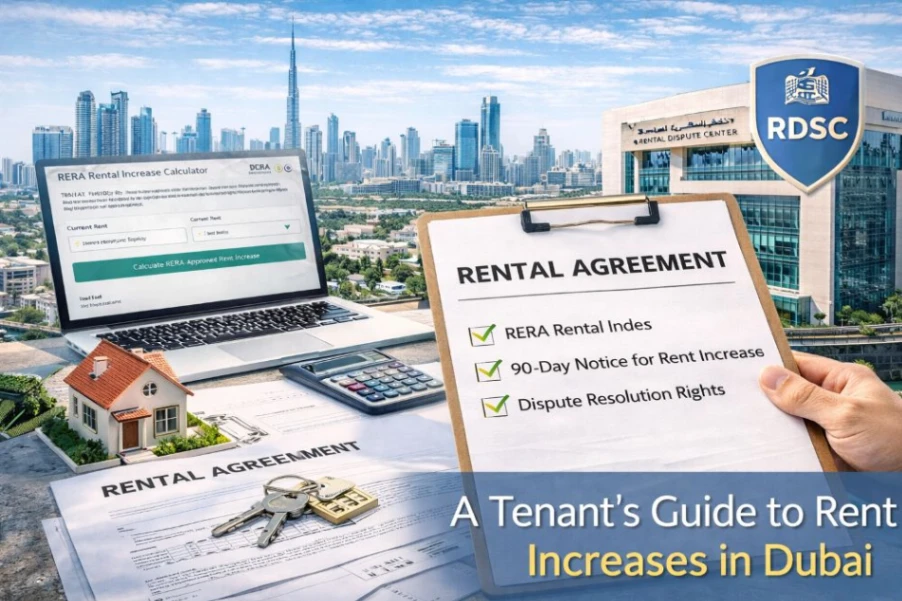
At the heart of Dubai's rental regulation system lies the RERA Rental Index, also known as Decree No. 43 of 2013. This calculator determines the maximum permissible rent increase based on the current market value of similar properties in the same area. The system compares your existing rent against the average market rate, ensuring that any proposed increase remains within reasonable limits.
The index operates on a tiered structure. If your current rent is significantly below the market average—specifically more than 25% lower—your landlord may increase it by up to 10% upon renewal. For properties where the rent falls between 11% and 25% below market rates, a maximum increase of 5% is permitted. However, if your rent already sits within 10% of the prevailing market rate, no increase is allowed whatsoever. This progressive approach prevents sudden financial shocks while allowing landlords to adjust to genuine market movements.
Notice Requirements and Tenant Rights
RERA mandates strict notice periods that landlords must observe. Any rent increase must be communicated to tenants at least 90 days before the lease expiration date. This advance notice period provides tenants with adequate time to evaluate their options, negotiate terms, or seek alternative accommodation if necessary. Failure to provide proper notice renders any proposed increase invalid, and tenants can legally challenge such attempts.
The notification must be delivered through official channels—either via registered mail or notarized notice. Verbal communications or informal messages do not satisfy the legal requirement. This formality ensures that both parties have documented evidence of the notification, protecting tenants from disputes and misunderstandings.
When Rent Increases Are Not Permitted
Dubai's rental laws recognize the importance of stability for tenants. Landlords cannot impose rent increases during the tenure of an existing contract, regardless of market fluctuations. The increase can only take effect upon lease renewal, providing tenants with predictable housing costs throughout their tenancy period.
Additionally, if a landlord fails to maintain the property adequately or if there are unresolved maintenance issues that affect habitability, tenants may have grounds to contest any proposed rent increase. RERA encourages tenants to document property conditions and maintenance requests, as this evidence can prove valuable in dispute resolution scenarios.
How to Calculate Your Legitimate Rent Increase
Tenants can access the RERA Rental Calculator through the Dubai Land Department's official website. The process requires basic information: your property's unique identification number (available on your Ejari certificate), current rent amount, and the proposed new rent. The calculator instantly determines whether the suggested increase complies with RERA guidelines.
This transparency empowers tenants to verify their landlord's calculations independently. If the proposed increase exceeds the permissible amount, tenants have the right to reject it and file a complaint with the Rental Dispute Settlement Centre (RDSC). The RDSC provides a formal mechanism for resolving disagreements, offering binding judgments that both parties must honor.
Investment Perspectives and Market Dynamics
Understanding rental regulations becomes particularly relevant for property investors evaluating opportunities across the UAE. While Dubai maintains specific rent control mechanisms, different emirates may have varying approaches. For instance, those considering Villas for Sale in Abu Dhabi should recognize that Abu Dhabi has its own regulatory framework under the Department of Municipalities and Transport, which may differ from Dubai's system in certain aspects.
The rental yield potential varies significantly across neighbourhoods and property types. Waterfront communities like those featuring Villas for Sale in Al Reem Island often command premium rents due to their location advantages and amenities, but they're also subject to the same protective regulations that govern rent increases. Similarly, investors looking at Villas for Sale in Abu Dhabi must familiarize themselves with the capital's rental laws, which include their own notice requirements and dispute resolution mechanisms that parallel but differ from Dubai's RERA framework.
Dispute Resolution and Enforcement
When disagreements arise regarding rent increases, tenants should first attempt to resolve matters directly with their landlords, preferably in writing. If informal negotiations fail, the next step involves filing a case with the RDSC. The center charges modest fees and aims to resolve disputes within a reasonable timeframe, typically within weeks rather than months.
The RDSC's decisions are legally binding and enforceable through Dubai Courts. Landlords who violate RERA regulations face potential fines and penalties, creating a strong incentive for compliance. This enforcement mechanism ensures that the regulations have practical effect rather than serving as mere guidelines.
Practical Tips for Tenants
Always ensure your tenancy contract is registered with Ejari, Dubai's official registration system. Unregistered contracts limit your legal protections and complicate dispute resolution. Keep comprehensive records of all communications with your landlord, including rent payment receipts, maintenance requests, and any notices received.
Before signing a renewal contract with increased rent, verify the amount using the RERA calculator. If you identify a discrepancy, address it immediately rather than accepting the terms and challenging them later. Proactive verification saves time, money, and stress.
Consider negotiating lease terms beyond just the rental amount. Some landlords may be willing to freeze rent in exchange for a longer lease commitment or may include additional amenities or maintenance services. These negotiations can create value for both parties while maintaining regulatory compliance.
Frequently Asked Questions
1. Can my landlord increase rent in the middle of my contract?
No, rent increases are only permitted upon lease renewal. Your rental amount remains fixed for the entire duration of your existing tenancy agreement, regardless of market changes during that period.
2. What should I do if my landlord demands an increase higher than what RERA allows?
First, use the RERA Rental Calculator to confirm the permissible increase. Present this evidence to your landlord in writing. If they insist on an excessive increase, you can file a complaint with the Rental Dispute Settlement Centre, which will issue a binding judgment based on the regulations.
3. How often can rent be increased on the same property?
Rent can only be increased once every 12 months, specifically at lease renewal. Even if you renew for a two-year term, your landlord cannot implement mid-contract adjustments or additional increases beyond the single adjustment made at the renewal date.
4. Do these RERA regulations apply to commercial properties as well?
RERA's rent increase restrictions primarily govern residential properties. Commercial leases operate under different contractual frameworks with greater flexibility, though they must still comply with broader Dubai Land Department regulations and general contract law principles.
5. What happens if I don't have an Ejari certificate?
Without Ejari registration, you have limited legal recourse in disputes. The certificate serves as official documentation of your tenancy and is required for accessing RERA protections and RDSC services. Register immediately if you haven't already—it's a straightforward process completed online or through authorized typing centers.